
The majority of companies consider implementing an employee assistance program after they have experienced a problem. A strong performer suddenly resigns, absences begin to increase or a manager talks about someone “not being themselves” in passing. The strain has typically been in existence for quite a while without a home by then.
The article provides information on the warning signs that a team might benefit from continuous mental health services, what an EAP is designed to do, and how to determine if an EAP is right for your organization.
The real thing about EAP.
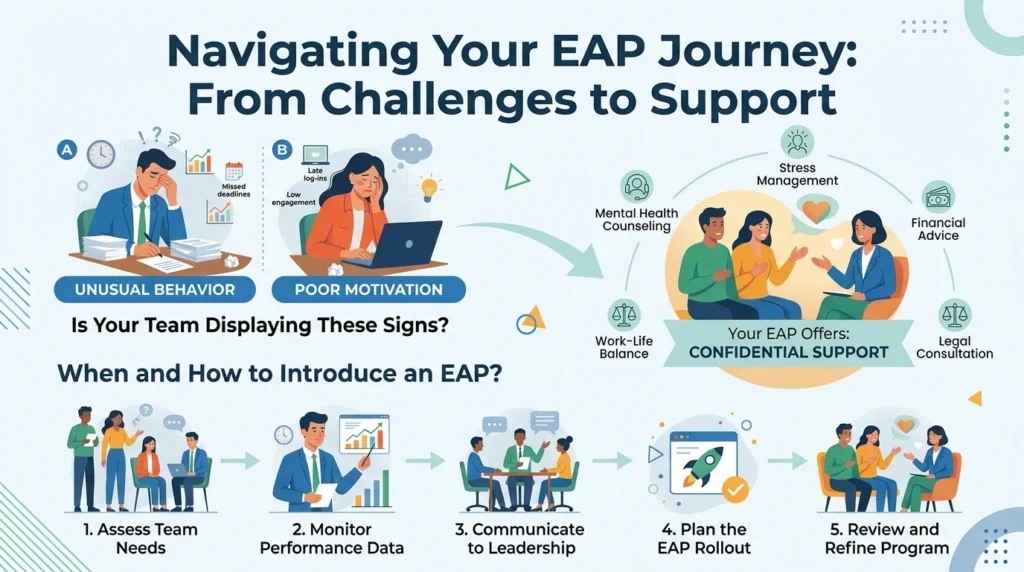
An employee assistance program is a confidential, professional support service for employees to seek assistance or advice for personal or work-related challenges, typically provided by a psychologist or counsellor, and not their manager. The goal is simple: there is a safe space to go when stress, anxiety, grief, family pressure and/or burnout are affecting someone and their health and their work.
The key in the sentence is ongoing. An EAP is not a single occurrence. It is not an awareness day or a single awareness session, it is a standing resource that is in the background.
The story of the reason for it.The reasons for it, in words.
Lebanon teams are often burdened with pressure that isn’t part of their job description, such as economic uncertainty, financial stress at home, or family members overseas, or a feeling that the ground is constantly shifting beneath their feet. Staff don’t leave this at the door. Employers do not have to address those issues, but they can make it easier for individuals to receive assistance in dealing with them.
Identifies signs that a Team may benefit from an EAP
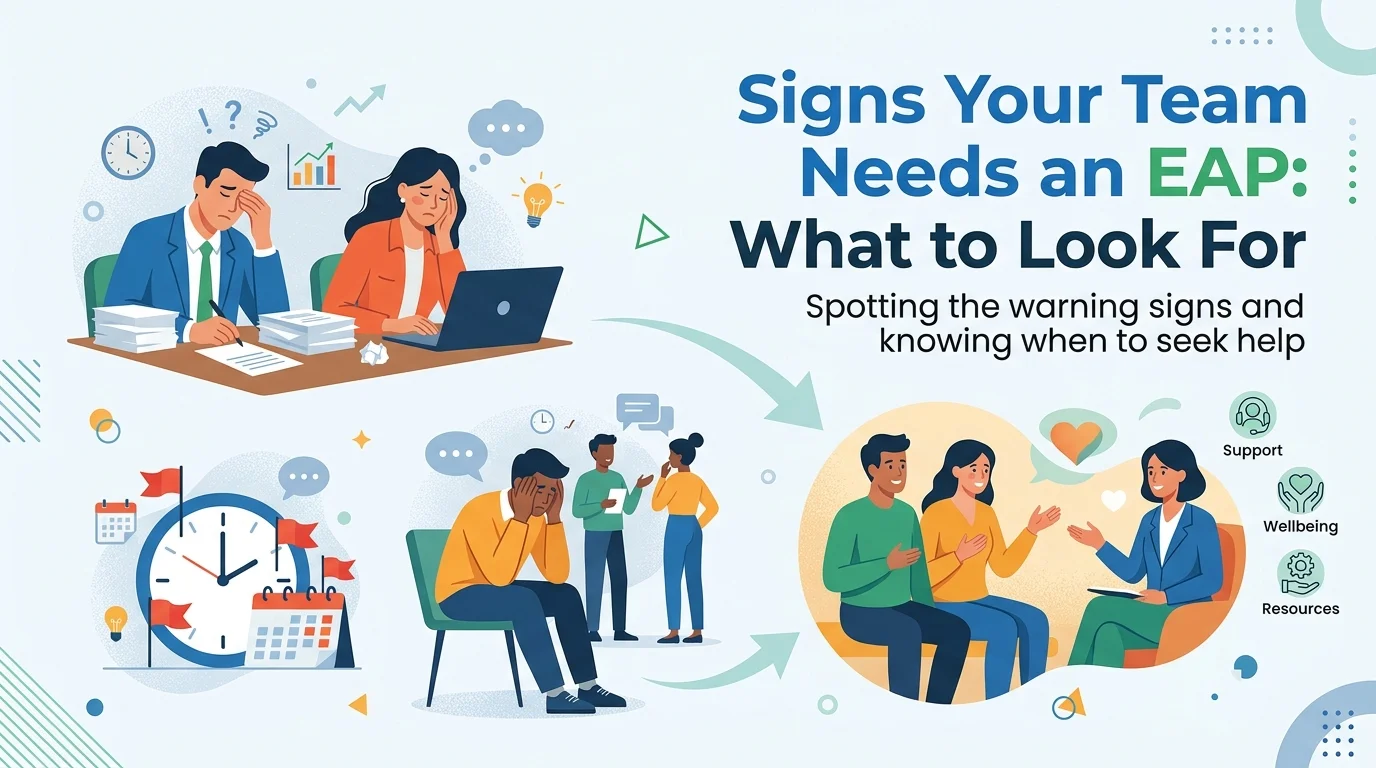
No single sign is sufficient to make the decision, but a combination of some of these does raise a question.
- Increased absenteeism, frequent sick days or individuals showing up late and tired looking
- Reductions in concentration, quality of work or motivation of those who were known to be reliable in the past
- Increased tension, frustration or detachment among staff members
- Larger turnover or exit discussions where they talk about being tired or stressed
- Staff reporting personal issues to managers and managers not knowing what to say or do
Managers Who Carry More Than They Should
The final sign needs to be looked at carefully. If managers are acting as the informal counselors for their employees, it generally indicates that employees don’t have options. That places managers in a quandary. They are not prepared to deal with serious personal distress and a subordinate may feel vulnerable when relating personal matters to the supervisor. Both sides are released from any type of nuisance via a private outside choice.
The signs tend to mean the following:
All of these patterns refer to a certain matter. Regular absences may be indicative of burnout, poor health or lack of engagement. One of the first indications of a change in a high performer’s productivity is a change in their personal life. Conflict between employees is often caused by stress of an employee wanting to get a seat.Stress of getting a seat is a source of increased friction between colleagues. All this is not an indicator of a team’s failure. It signifies that people are stressed and lacking a means of coping with it.
These patterns tend to feed off one another. When someone within the team gets stressed, they take more time off, more time off for other teammates, more time off for everyone else. The cycle will not self-correct often without intervention.
The roles and limitations of EAPs
An effective EAP can provide employees with access to a professional at the right time, help eliminate the stigma of seeking assistance, and provide a destination for managers who feel they can’t provide more to a struggling employee. It can also allow for a more timely detection of problems, at a point when they are more manageable.
It’s power is limited to fixing the workplace where workplace is causing the issue. Support will help individuals deal with challenges if workloads are unrealistic, expectations are not clear or if leadership is a source of fear, but it will not address the underlying cause. The best programs are complemented by sincere consideration of the organization of work.
Deciding when it is the right time can be tricky.There’s a time to decide when it’s the right time.
Some questions may be helpful in determining the decision:
- Is more than one of the warning signs listed above occurring at the same time, or are they occurring as individual instances?
- Do employees currently have a confidential place to take personal or work-related difficulties?
- Do managers have emotional situations that they are not equipped for?
- Would you prefer to provide support BEFORE a crisis, rather than AFTER?
If the truthful answer to most of these is yes, an EAP is a serious consideration. It doesn’t have to be a crisis that calls for support, and in many instances, the sooner support is introduced, the easier it is for employees to buy into it.
To see how this kind of support is structured, read about Caring For Your Whole Team, Yusra Imad’s employee assistance service.
Frequently Asked Questions
The details vary by program, but the core is confidential access to a mental health professional for personal and work-related concerns. The specific format, number of sessions, and how employees reach the service depend on how the program is set up, so it’s worth asking about this directly when you enquire.
One of the most important values in mental health services is confidentiality. Employees must be free from having to disclose the identity and content of their use of the service to their employer. Discuss confidentiality with any provider and get them to clarify how they ensure that information is kept confidential in your organization.
EAP is a continuous support service that employee can access on an individual basis as needed. A workshop is a pre-arranged group session, typically on a subject like stress or communication. Some organizations use both, because they have differing functions.
No, smaller teams are more impacted by one poor performer, due to less slack in the system. The appropriate scale will vary according to your size and needs, so be sure to discuss this with the provider.
Presenting it as a standard benefit rather than a response to a problem helps a great deal, as does visible backing from leadership. Employees are more likely to use a service that managers talk about openly and without judgment.
Take the Next Step
If several of these signs sound familiar, a conversation about what your team needs is a reasonable place to start. There’s no obligation, and it helps to understand your options before a difficulty becomes a crisis.
Book a Consultation to discuss an employee assistance program for your organization with Yusra Imad, or read more about Caring For Your Whole Team.