
It’s difficult to know where to begin when it comes to mental health assistance if you aren’t even at your first appointment. Psychologist or psychiatrist? Is it important to call the first one first? For many people, this in itself is enough to keep them from reaching out.
The brief answer is that both careers are about mental health, but in different ways, and understanding the difference can help the first step be somewhat less muddled.
What is a Psychologist’s Job?
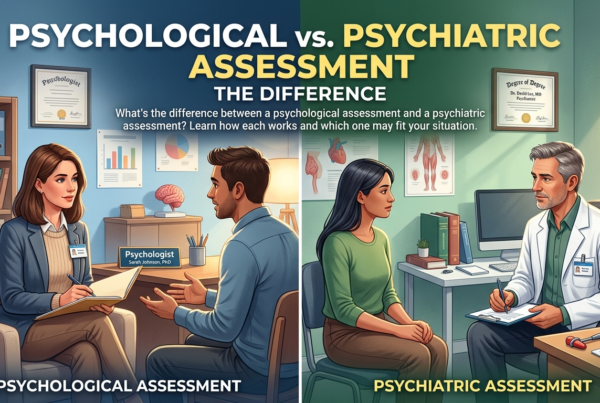
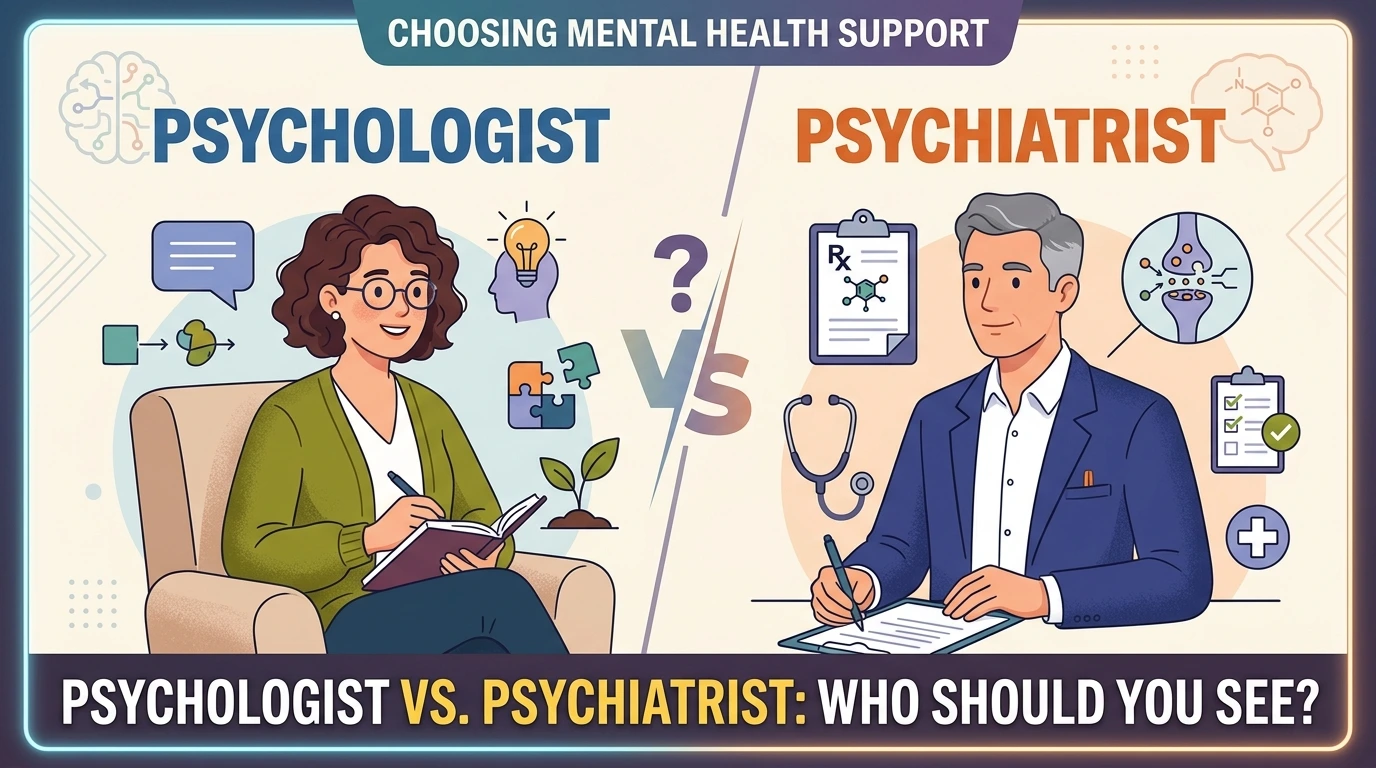
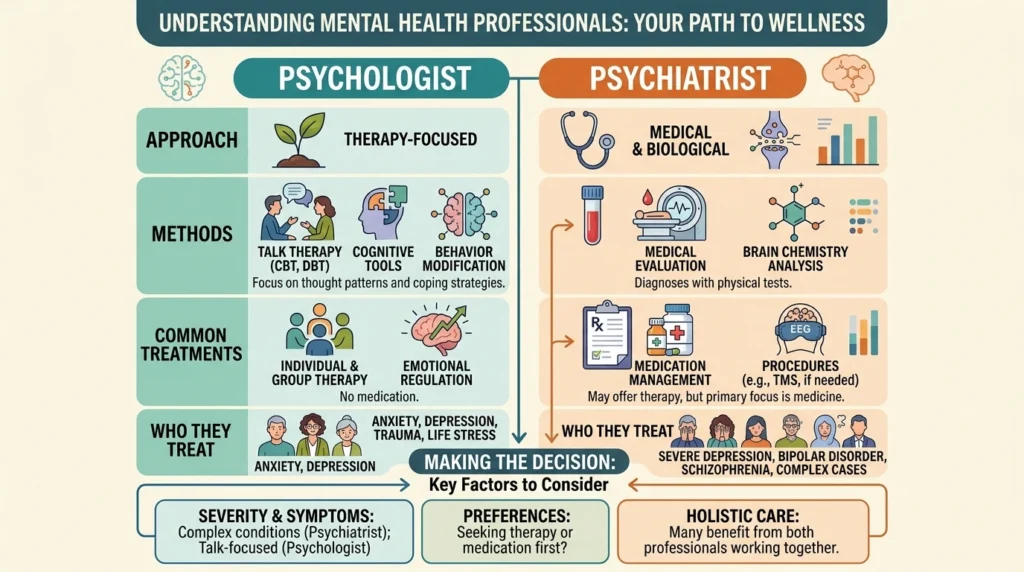
A psychologist specializes in the study of behavior, thinking and feelings and may offer psychotherapy, which is a talking therapy designed to understand and explore psychological challenges. Psychologists also perform psychological evaluations when there is a need for a more detailed examination of cognitive and/or emotional functioning. What psychologists don’t generally do is prescribe medicine; they don’t have medical training, so they don’t prescribe medicine.
The majority of people who seek help for anxiety, depression, relationship problems, stress, and the like, begin with a psychologist, where therapy is frequently the initial and only treatment that is necessary to solve many of these problems.
The Focus is on Understanding and Working Through.
The central focus of psychological work is understanding patterns: patterns of thinking, patterns of behavior, and patterns of relationship, and cultivating skills and insight to alter these patterns. This is more likely to be a continuous process that can be set up through regular sessions over time, not an evaluative appointment.
The role of the Psychiatrist.
Psychiatrists are medical doctors who specialize in mental health and are able to diagnose psychiatric illnesses and prescribe and administer mental health medications. Psychiatric visits are more likely to focus on a diagnosis than on psychotherapy due to the increased focus on medication management and monitoring treatment response from a medical perspective, and tend to be shorter and less frequent than psychotherapy visits.
When medication will probably be involved, when symptoms are severe enough to require a medical evaluation, or when there is a suspicion that a physical health condition is causing psychological symptoms, psychiatrists are usually the best first choice.
If you had to choose, which would you go see first?
Psychotherapy is a logical initial treatment approach in many cases, including those of anxiety, low mood, relationship problems, stress, adjustment to a life change, and many others, and starting with a psychologist is often the right choice. Psychotherapy can frequently help, and a psychologist can help decide if psychiatric involvement would be helpful as the treatment progresses.
If symptoms are more severe (markedly impaired function or a biological or medical element in symptoms or if medication might be of benefit), it makes more sense to begin with or immediately involve a psychiatrist.
If you don’t really know, it is not a bad idea to seek advice from a psychologist first; after all, as part of an initial consultation you want to know what kind of support is going to be useful for you and whether a referral to a psychiatrist makes sense.
You Don’t Always Have To Take A Choice
There is a widespread belief that people who see a psychologist also see a psychiatrist, which isn’t true. In reality, many people receive both types of services, therapy from a psychologist as well as the psychiatrist’s care for the drug treatment, and both specialists learn from each other’s observations of the patient’s progress. This sort of integrated effort is more likely to be successful than professional working in isolation, especially in dealing with more complex or persistent problems.
If both perspectives seem relevant to your situation, collaborative care between psychology and psychiatry allows for exactly this kind of coordinated support.
A Reasonable Starting Point
If you don’t know where to begin, a psychologist can have a low pressure initial conversation is a great way to start. The discussion can help you understand what’s truly happening and which approach to support — therapy or a referral to a psychiatrist, or a combination — is most appropriate for your situation.
Frequently Asked Questions
No. Psychologists don’t have the medical training required to prescribe medication. If medications are applicable, the psychologist can refer you to a psychiatrist who can coordinate with the psychologist in your treatment.
The fees charged by providers and the type of appointment vary and it is not to be taken for granted. When figuring options out, it’s important to ask point-blank about both fees.
This is a typical and simple route. If the psychologist believes psychiatric involvement is likely to benefit the situation, he or she will refer you on to a psychiatrist, and after that point, you don’t have to begin again.
Not necessarily. But psychotherapy alone can help many people cope well with anxiety and depression. Psychiatric involvement has more meaning when the symptoms are more intense and not fully resolved by the therapy, or when the use of medication is thought to be of benefit and likely to be of use in addition to therapy.
It’s reasonable to involve a psychiatrist as soon as symptoms are significantly interfering with daily functioning, or if you have concerns for your safety. If your problem is less serious or more situational, then starting with a psychologist is likely the appropriate first step, and if psychiatric intervention is needed, they can refer you on to it.
Take the Next Step
If you’re unsure where to start, an initial conversation with a psychologist is a reasonable first move — it doesn’t lock you into one path.
Book a Consultation to talk with Yusra Imad about what kind of support fits your situation, or learn more about Collaborative Care With Psychiatry.